
Putting the Spotlight on Consumer Decisions
Consumer marketing revolves to a large extent around consumer decisions — the way consumers make their decisions as well as the decisions they arrive to. Marketing techniques and activities, in implementing a strategy, are very often designed in aim to influence decision processes in favour of a company’s brands, products and services.

But decision processes involve more than the decision itself as outcome. Choices are frequently accompanied by judgements — usually a judgement would precede the choice decision, but sometimes judgements are constructed after the decision is made. Furthermore, decision processes may entail a mix of cognition and emotion. Decisions can be made, when the occasion requires, in a rational, logical, and deliberate way. However, consumer decisions are guided even more regularly by habit and intuition and may be affected by feelings and emotions.
In some instances feelings and emotions are disruptive, distracting consumers from rational thinking, but in other instances they can be informative, instructive or protective. It should also be noted that many decisions are made automatically and sub- or unconsciously, without a consumer being aware of how those decisions were made. The human brain can autonomously make fast and effortless decisions for us — hence, consumers may not be able to explain the drivers to a decision and, if asked, might resort to fabricating their reasons.
Most generally, the C / S / C Behaviour website relates to people in the role of consumers, concerning their decision-making processes and overt behaviour through their purchasing, consumption and usage experiences. However, sections of the website are especially dedicated to two specific roles of consumers as shoppers and as customers. These roles indeed overlap, and yet certain aspects and activities are more distinctive or pronounced in each role.
Understanding marketing practice in light of consumer decision-making and behaviour — theory, research and application.
As visitors of C / S / C Behaviour, you will find here commentary, analyses and reviews of marketing events and phenomena from a consumer perspective with a focus on decision-making. Marketing is approached here in a broad sense to include also adjacent fields such as advertising, retailing, and customer relationship marketing.
As implied above a myriad of related topics beyond decisions per se will be covered here — behaviour, thoughts and feelings, beliefs and attitudes, judgement and choice, experiences — that accompany consumer decision-making, during and after a decision process. Accordingly, interested visitors may learn and refresh their knowledge from reviews and research updates on these topics. Research methodologies and models, new and established, will be explored to illuminate their function and contribution.
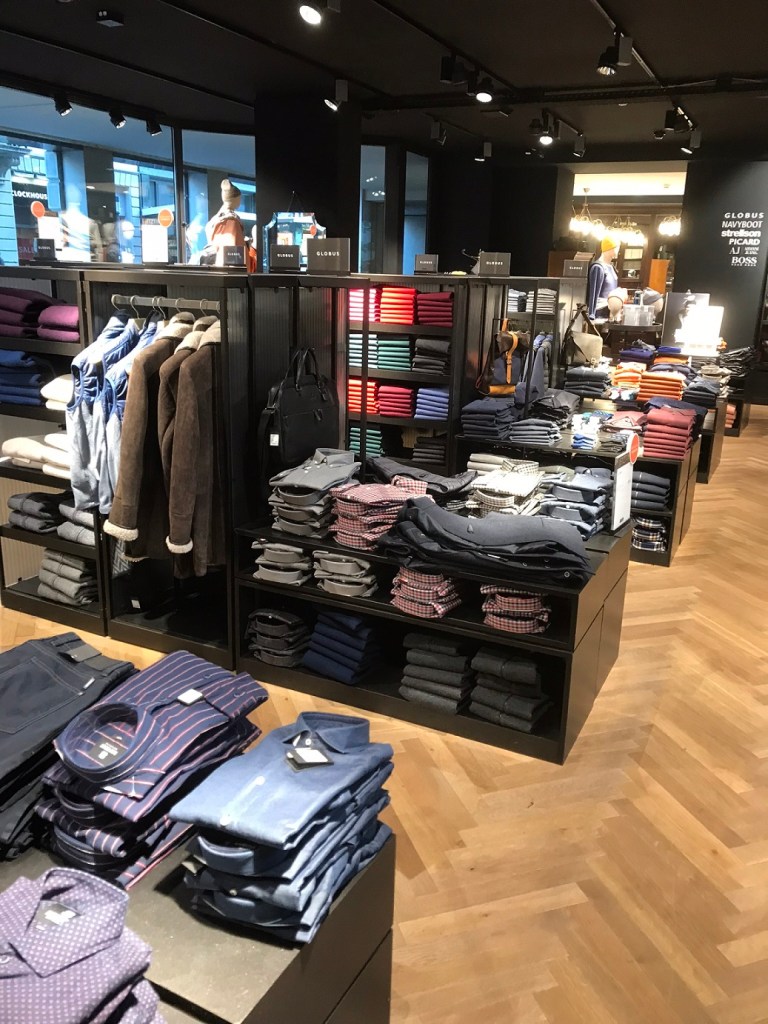
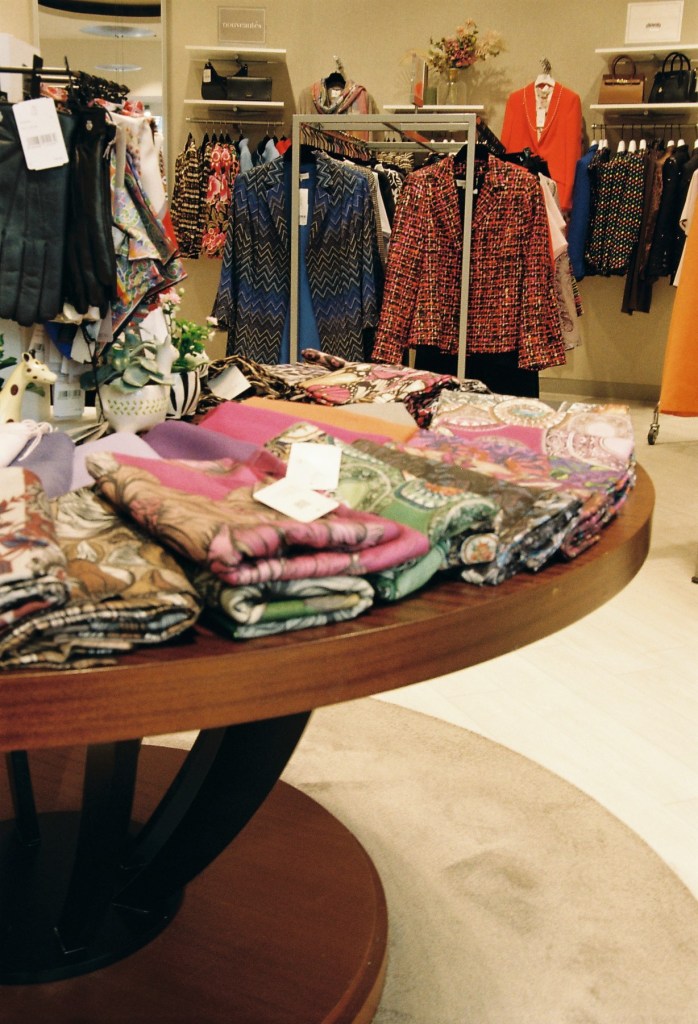
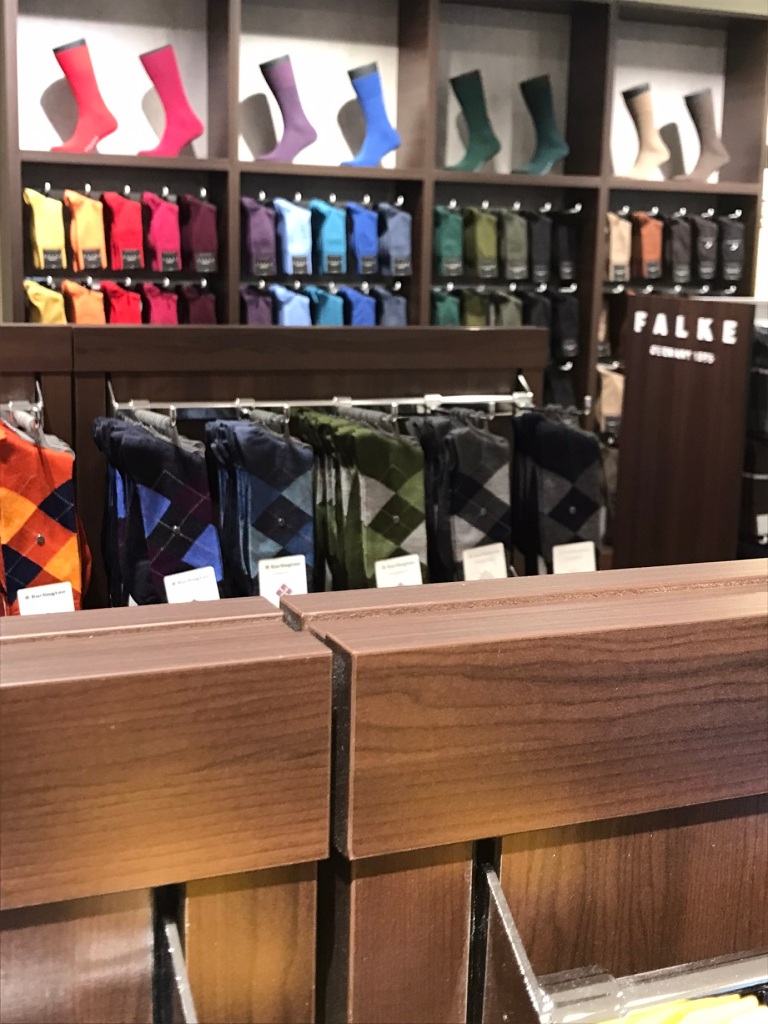
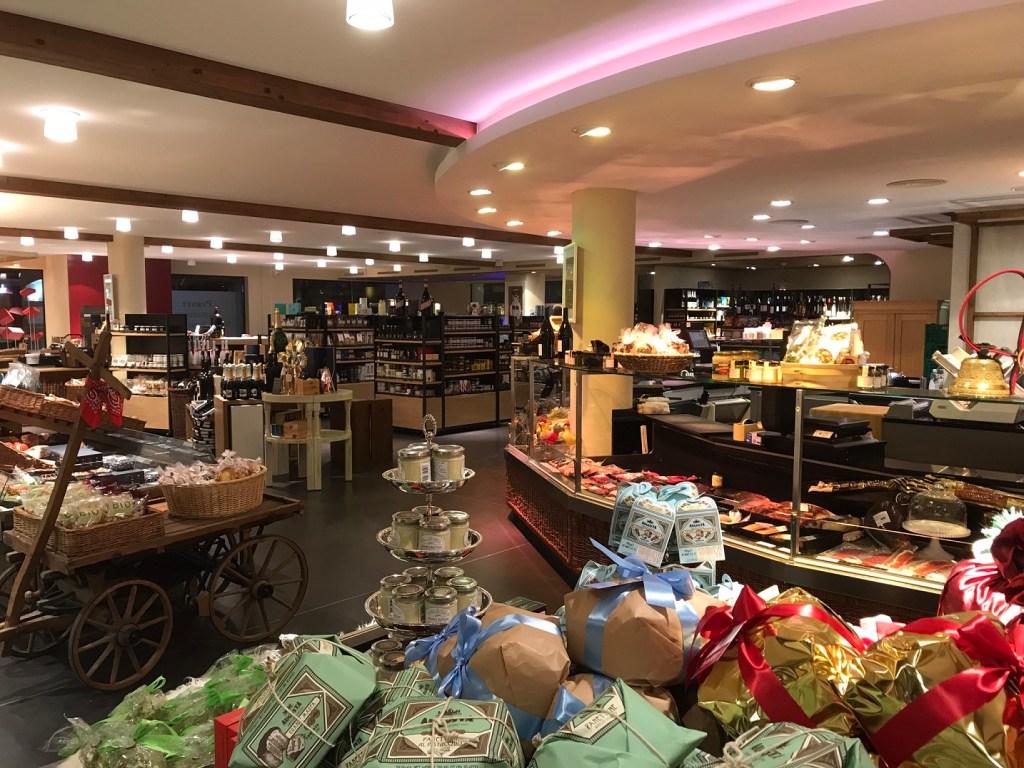
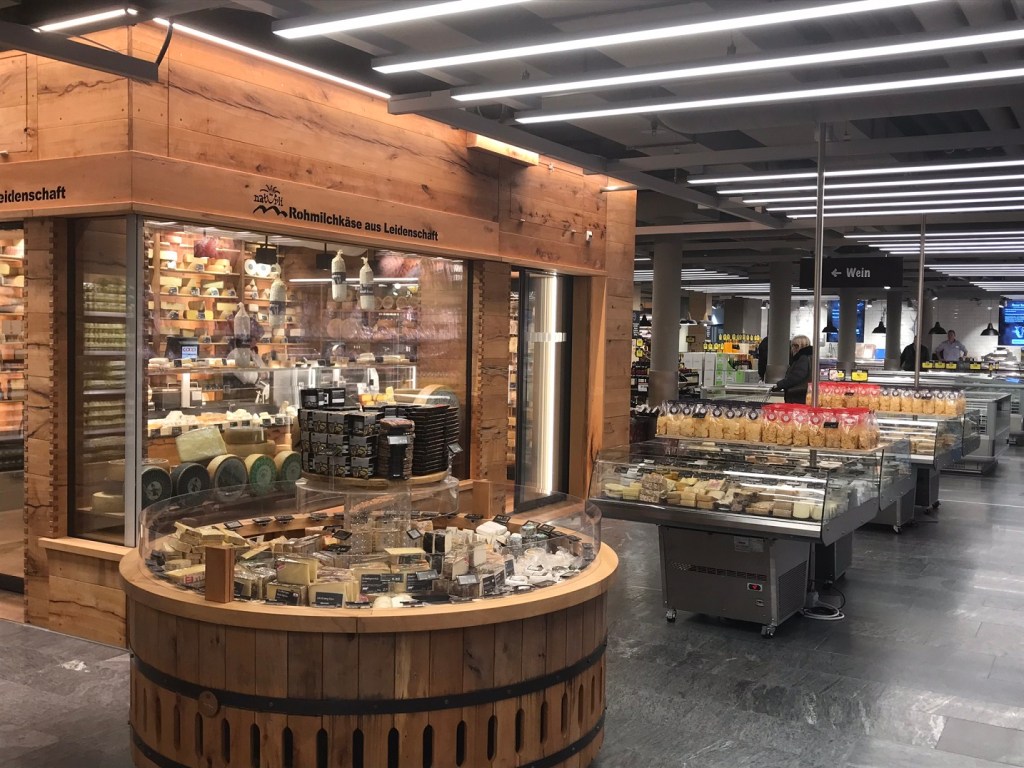

The visual display of merchandise inside stores is at least as important as the content of the merchandise. Visual merchandising in stores often goes hand in hand with the interior design of the store (e.g., materials, textures and colours, furnishing and fixtures, lighting) — they should fit and “talk” with each other. Together they generate an appropriate atmosphere for the store or shop.
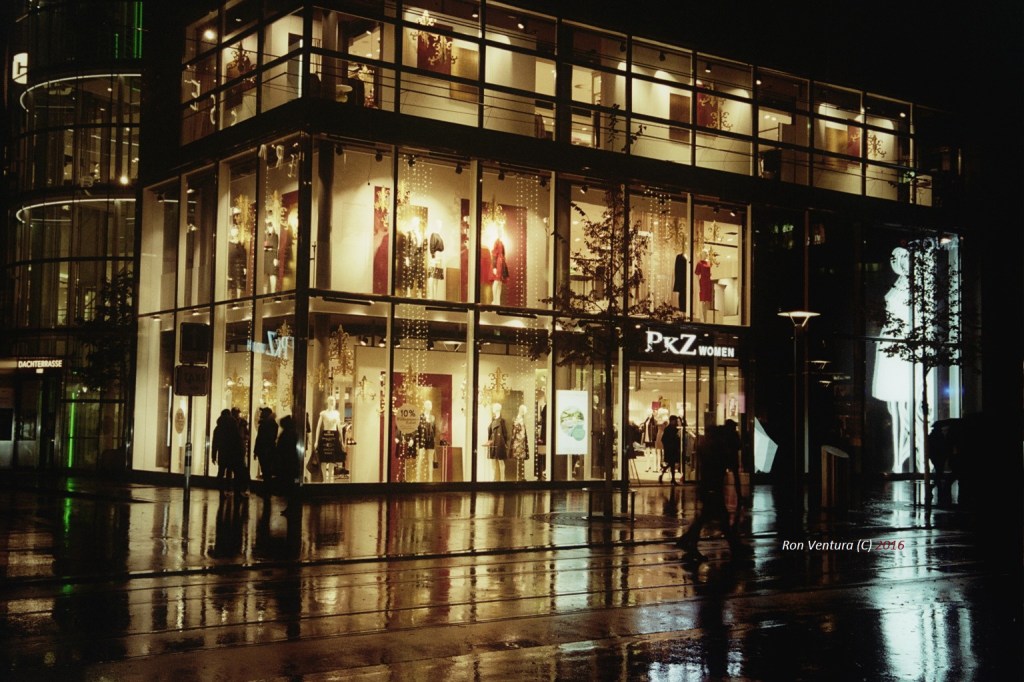
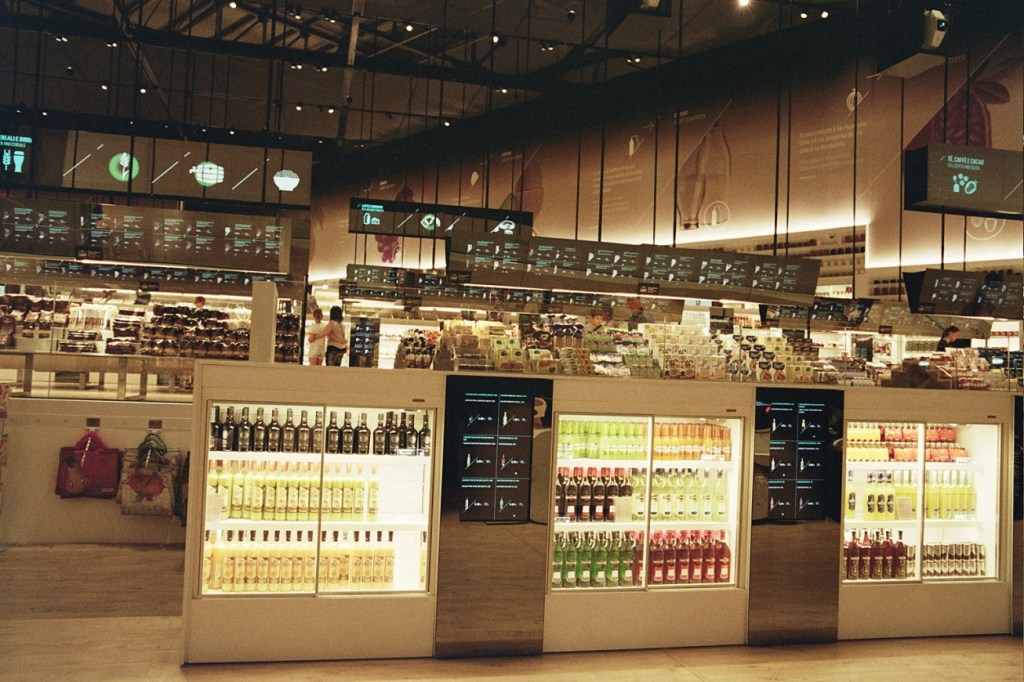
The layout, arrangement and order of display, combined with the variety of colours of merchandise, are crucial ingredients in the invitation of the store or shop to its patrons-shoppers. Furthermore, they should provide a strong, compelling reason for shoppers to stay in, continue to browse the selection of products offered in the store, and choose items to buy. These principles hold true for stores of various categories of merchandise — the photos shown in the gallery above suggest examples of visual merchandising from fashion and food stores, shops, or departments. In the case of food, the merchandise display has an additional essential onus — to be appetising.

 Consumer / Shopper / Customer Behaviour